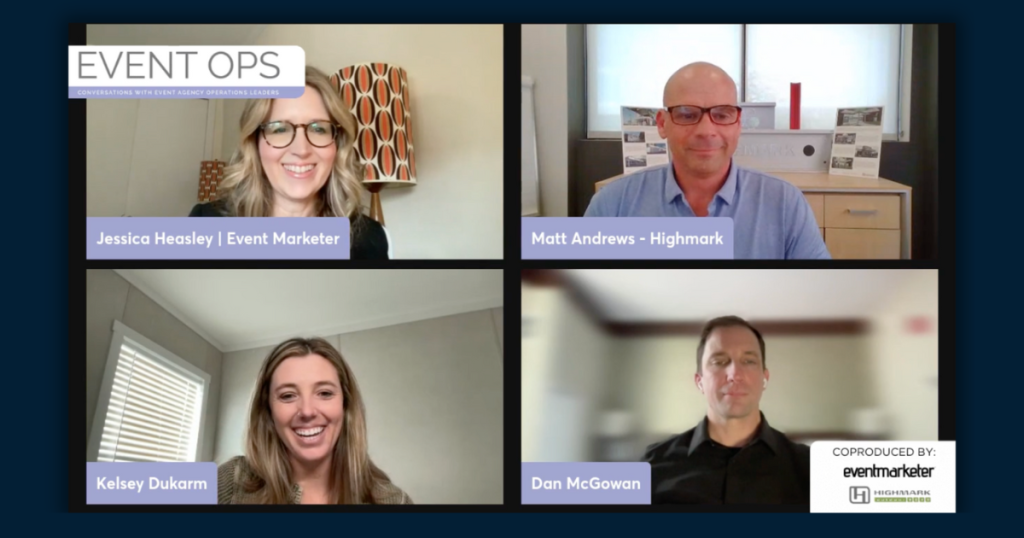
The second episode of Event Ops, Event Marketer’s LinkedIn Live series, dove deep into how experiential leaders are adapting to an increasingly complex industry. Guided by Jessica Heasley, Event Marketer Editor and Publisher, the conversation brought together three experts:
- Kelsey DuKarm, Infinity Marketing Team, recognized for her work on major experiential programs for clients like HP and State Farm.
- Dan McGowan, Vice President of Production at Wasserman, with experience executing large-scale activations for American Express, AT&T, and Target.
- Matt Andrews, Senior Vice President at Highmark TechSystems.
Together, they unpacked strategies for navigating compressed timelines, stabilizing costs, managing vendor and venue logistics, and integrating new technology into live experiences.
Here’s what they shared.
The Complexity of Modern Experiential Marketing
“Experiential just gets ever more complicated,” Heasley noted. From supply chain issues to hybrid events to AI integration, today’s event ops teams juggle more moving parts than ever.
Early in the conversation, DuKarm summed up a key shift in mindset:
“It’s not more people, it’s the right people…the ones who can problem solve at the right time.”
She shared how the Infinity Marketing Team learned that scaling up staff after the pandemic wasn’t the solution. Instead, it was about finding the right talent: people who can “be your firefighters on site and make quick decisions.”
McGowan echoed the point, adding that the pandemic forced everyone to develop new skills fast. His team leaned into digital production, AR, and live streaming to keep clients engaged remotely: skills that remain core to today’s event landscape.
The challenge now? Balancing both physical and digital seamlessly.
“We want to do experiential,” McGowan said, “but we want the digital pieces too. The most difficult part is figuring out how to budget for both.”
The Power of Planning (and Re-Planning)
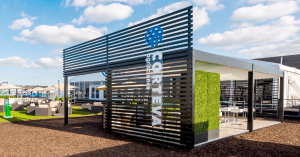
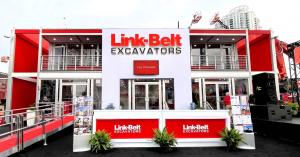
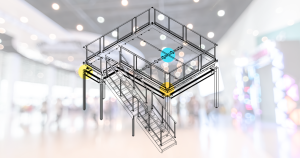
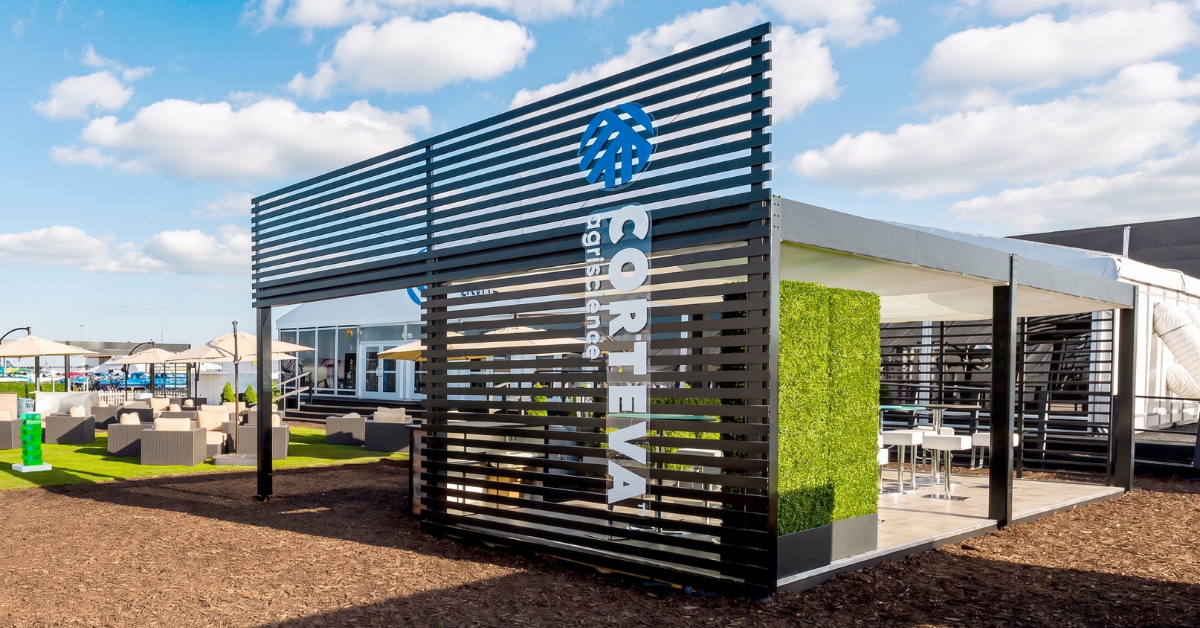
When Heasley turned the conversation to logistics, Andrews brought Highmark’s operational perspective to the table. A provider of multi- and single-story event structures, Highmark often collaborates closely with agencies such as Infinity and Wasserman.
Andrews’ take on execution was simple but sharp:
“Plan, plan, plan…and think about everything.”
From route mapping and material sourcing to backup suppliers, his philosophy centers on being ready for plan B, C, or even D. He noted how crucial it is to “plug the right people into a heavy plan,” reinforcing DuKarm’s earlier comment about aligning the right talent with the right process.
He also offered a dose of humor and realism:
“We’re all perfect, right? We never go to Home Depot…but sometimes you have to.”
That kind of agility—knowing when to pivot and where to source quickly—is what keeps complex builds on track.
Managing the Pressure of Compressed Timelines
Event timelines have always been tight, but they’re getting even tighter. DuKarm admitted:
“Whether I have a year or three months, it always feels like it’s never enough time.”
Her team has learned to be transparent with clients about feasibility and deadlines, especially when approvals lag.
“If you don’t approve by this date,” she tells clients, “it’s just not feasible.”
To stay ahead, Infinity assigns “team captains” across disciplines (production, creative, innovation) who collaborate early to flag risks and confirm what can actually be executed. The goal: never pitch what can’t be built.
Technology: The Expanding Playground
When the discussion turned to tech, McGowan called it “an ever-expanding playground.” His team works closely with 5G-enabled experiences, AR overlays, and AI-powered activations…all of which are redefining how attendees interact with brands.
“We’re the jack of many trades and the masters of a few,” he said, describing how experiential pros must constantly learn while staying grounded in production fundamentals.
Technology is no longer optional; it’s central to both creative and logistical success. As Heasley noted, “We have to know so much technology…and we can’t keep up with being the expert on all of [it].”
A reality most producers know well: execution isn’t just physical anymore. It’s digital, data-driven, and deeply technical.
Building for Reuse
Sustainability has evolved from a nice-to-have to a fundamental part of smart event operations. The challenge? Balancing eco-conscious design with tight budgets and timelines.
DuKarm shared that clients are requesting greener programs more often, but real sustainability can be expensive. Her team focuses on reuse and donation, repurposing materials after events and partnering with ISO-certified suppliers to reduce waste.
McGowan echoed that sentiment, explaining how Wasserman turns sustainability into creativity: transforming old signage or apparel into giveaways and maintaining a shared library of reusable assets.
For Andrews, sustainability is baked into Highmark’s modular systems.
“Everything we build is 100% rental and recyclable,” he said. “We refurbish and reuse structures again and again.”
Across the board, the message was clear: designing for reuse is better for the planet and a smarter way to build.
The Reality of Rising (and Stabilizing) Costs
Cost was an unavoidable topic. Fabrication and shipping remain volatile, but both DuKarm and Andrews see glimmers of relief.
“Aluminum and steel have gone down,” Andrews said. “We haven’t raised our prices.”
DuKarm added that fabrication costs have plateaued, but venue pricing remains unpredictable. “New technology,” she said, “is always going to be on the rise.”
McGowan and DuKarm both emphasized local sourcing and vendor partnerships as key to managing budgets without sacrificing quality.
“Finding local teams,” DuKarm explained, “means your money goes further…more elaborate builds, less spend on shipping and travel.”
Andrews agreed, circling back once again to the core theme of the day: plan and communicate early. “Once you have all the numbers in, we get the right people to execute that plan.”
Why It Matters
Event operations might not take center stage, but they’re what make the show run. Every successful build, broadcast, and brand experience depends on the people and systems that hold it all together planning ahead, problem-solving fast, and adapting when things inevitably shift.
Key Takeaways for Event Marketers:
- Plan relentlessly: Build detailed roadmaps early, with backup plans for materials, suppliers, and timelines.
- Invest in the right people: Experienced “firefighters” on site make faster, smarter decisions when time runs out.
- Collaborate early: Bring creative, tech, and operations teams together from the start to avoid late-stage pivots.
- Balance tech and build: Digital integration is now a core part of the experiential budget for both worlds.
- Control costs through partnerships: Source locally and work with trusted vendors to manage materials and shipping.
Ready to Simplify Your Event Ops?
Highmark event structures are designed for efficiency, durability, and sustainability. From fully custom double-deckers to modular pavilions and mobile exhibits, our team helps agencies and brands deliver incredible experiences…even on the toughest timelines.
Connect with Highmark to see how our systems can keep your next event on budget, on brand, and on time.
FAQs
What are the biggest event marketing trends for 2025?
The top event marketing trends 2025 include expanded use of AI, data-driven storytelling, cross-department collaboration, and measurable creative output tied to analytics and technology.
How is AI being used in event design?
AI supports ideation, visualization, and presentation work. It helps creative teams develop 3D renderings, refine concepts, and streamline RFP response materials.
What types of experiences are most in demand?
Consumer activations, influencer events, and live conferences are leading growth areas.
Why is collaboration so central to creative success?
As budgets tighten and expectations rise, collaboration between creative, strategy, and operations ensures ideas are both innovative and achievable.
How can experiential marketing statistics be tracked and leveraged?
Experiential marketing statistics can be tracked through a mix of digital and on-site metrics such as lead generation, social media amplification, dwell time, and post-event engagement. Creative teams use tools like QR codes, mobile apps, and analytics dashboards. When analyzed, they help agencies and builders refine design strategies, measure ROI, and create more effective, data-driven brand experiences.
Related Links
- Event Ops Episode One: The New Realities of Event Operations
- Highmark TechSystems Recognized with Top Honors at the 2025 ExSys Awards
- Content, Conversations, and Connections for Agency Ops Teams
- Highmark Sustainability Statement
- Sustainable Event Structures
- Experiential Marketing
- All the Services Behind Highmark’s Modular Structures
- The Evolution of Highmark at EMS
- Why You Need Strategic Partnerships For Brand Activations
- Indoor Products
- Outdoor Modular Structures
- Mobile Events
- Products
- Resources
- Gallery
- Contact Us