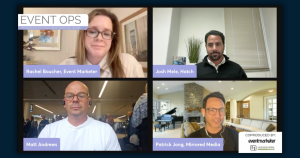

The first episode of Event Ops, Event Marketer’s new LinkedIn Live series, wasted no time digging into the realities of modern event operations. Guided by Jessica Heasley, Event Marketer Editor and Publisher, the conversation brought together three seasoned leaders:
- Bill Cembor, Senior Vice President of Operations at Sparks
- Greg Wamsley, Vice President of Production and Sustainability Lead at Mosaic
- Matt Andrews, Senior Vice President at Highmark TechSystems
Together, they tackled everything from short timelines, permitting, rising costs, and sustainability mandates. The big takeaway? Ops leaders are doing more with less time, fewer resources, and higher expectations than ever before.
Let’s break it down.
Wearing All the Hats
Experiential marketing has evolved into something more comprehensive and demanding than ever before. Attendees expect seamless tech integration, immersive experiences, and flawless execution. That means events teams can’t just focus on building a stage or a booth anymore; they have to think about the full picture.
Bill Cembor summed it up:
“Our engineering teams, our project managers—they don’t just have to be experts in fabrication, but understanding technology, AV, interactive components…which really helps in that load-in so that we can get the teams together, start to collaborate and get a plan early on.”
Translation: Operations leaders are no longer just builders or fabricators. They’re technologists, logisticians, collaborators, and problem-solvers rolled into one. Success depends on bringing together specialists with the right mix of expertise—whether it’s engineering, digital interactivity, or compliance—and making sure they’re aligned early in the process.
The most effective teams are able to pivot when client needs, technology, or venues throw curveballs.
The Timeline Crunch
If there’s one constant in events, it’s the client who wants it faster. Lead times have always been tight, but now they’re sometimes razor-thin. The pressure to deliver high-quality, large-scale experiences on short notice has become the new normal.
Greg Wamsley gave an example:
“We were briefed on a project two and a half weeks ago. And two weeks from now, we will be delivering a brand launch. So a four-week window, really, from start to finish.”
To meet these demands, ops teams have to be strategic about every hour. That means syncing with creative partners immediately, setting clear “guardrails” for what can realistically be achieved, and leaning on local vendors who can mobilize quickly without the lag of shipping or long procurement processes.
Suppliers play a critical role here, too. Highmark, for example, prepares inventory in advance so projects don’t get stuck waiting on materials. As Matt Andrews explained:
“Once it’s on the shelf, we can quickly (turn it around)… having the material ready to go on the shelf, that’s how we try to compress the timeline as much as possible.”
The key isn’t only about moving fast. It’s staying disciplined about milestones, being transparent with clients about trade-offs, and managing expectations to avoid last-minute surprises.
Permits and Inspections: A Mixed Bag
Cities are increasingly recognizing the revenue and visibility events bring, which has led to tighter oversight. On the positive side, some municipalities have streamlined their permitting processes, moving applications online and making approvals easier to track. That efficiency can save valuable time for organizers juggling dozens of moving parts.
But the other side of the coin is tougher, more frequent inspections. Health departments, fire marshals, and other officials are showing up more often…and sometimes right in the middle of a critical install.
Wamsley noted:
“The health departments are showing up a lot more than they used to… which is all fine… but it is certainly a strain on resources.”
Cemor added that Sparks has even created dedicated teams just to manage inspections and keep projects on track during crunch time.
Ops leaders need to budget extra time, staff, and patience to navigate compliance hurdles without derailing the bigger picture.
Have Costs Finally Stabilized?
Post-pandemic, event costs skyrocketed. Materials, labor, freight, and fuel all climbed at once, squeezing budgets from every direction. While those numbers haven’t dropped, the panel agreed they’ve finally stopped rising.
“We feel that we’ve hit the ceiling,” Cemor said. “That being said… these costs are going to remain constant, probably at least for another 12 to 18 months.”
That plateau offers some predictability, but it doesn’t mean relief. Clients are still working with tighter budgets, so suppliers and agencies are finding creative ways to absorb costs. Andrews noted that Highmark doubled its inventory and refined its prep process, making it easier to keep projects affordable and prevent clients from feeling the full brunt of inflation.
For marketers, this means building realistic budgets, locking in resources early, and leaning on partners who can maximize efficiency without cutting corners.
Venues, Accessibility, and Sustainability
Another layer of complexity? Finding the right place to host an event. Popular markets like Las Vegas, New York, and Chicago are often booked years out, leaving brands scrambling for alternatives. Even when a venue is available, infrastructure challenges like power, accessibility, and safety compliance can add significant hurdles.
That’s why many agencies are prioritizing both accessibility and sustainability when planning. These aren’t “nice-to-haves” anymore; they’re must-haves.
Wamsley explained Mosaic’s five-pillar sustainability strategy, which includes certification efforts, robust vendor partnerships, and multi-use asset planning.
“We’re actually saving money for a lot of our clients, but also doing it in a sustainable way by not reinventing the wheel every single time.”
Sustainability also means designing smarter. Highmark has long prioritized modular systems that can be reconfigured and reused across multiple events. As Andrews put it:
“The tenets of sustainability: reduce, reuse, recycle… that’s been kind of a fundamental part of our DNA from the beginning.”
Why It Matters
Event operations may not always be the flashiest part of experiential marketing, but they’re the backbone of every successful event. Behind the big creative ideas and polished attendee experiences are teams making thousands of decisions that keep timelines intact, budgets under control, and brand promises delivered. When ops strategies falter, it shows.
This first conversation in the Event Ops series pulled back the curtain on those realities. Shrinking timelines, rising costs, and tighter inspections are hurdles, but they’re also catalysts pushing the industry toward smarter ways of working.
Key Takeaways for Event Marketers
- Integrate ops early: Pair creative and operations from day one.
- Prep like crazy: Build inventory, plan milestones, and stay transparent.
- Expect more inspections: Dedicate resources for permitting and compliance.
- Partner with local vendors. They can speed up timelines, help navigate permitting, and reduce shipping costs.
- Sustainability pays: Multi-use assets and systemized builds cut costs and carbon.
- Book ahead: Venues in key markets are locking up years in advance.
Ready to Simplify Your Event Ops?
Highmark event structures are designed for efficiency, durability, and sustainability. From fully custom double-deckers to modular pavilions and mobile exhibits, our team helps agencies and brands deliver incredible experiences…even on the toughest timelines.
Connect with Highmark to see how our systems can keep your next event on budget, on brand, and on time.
FAQs
What are the biggest event marketing trends for 2025?
The top event marketing trends 2025 include expanded use of AI, data-driven storytelling, cross-department collaboration, and measurable creative output tied to analytics and technology.
How is AI being used in event design?
AI supports ideation, visualization, and presentation work. It helps creative teams develop 3D renderings, refine concepts, and streamline RFP response materials.
What types of experiences are most in demand?
Consumer activations, influencer events, and live conferences are leading growth areas.
Why is collaboration so central to creative success?
As budgets tighten and expectations rise, collaboration between creative, strategy, and operations ensures ideas are both innovative and achievable.
How can experiential marketing statistics be tracked and leveraged?
Experiential marketing statistics can be tracked through a mix of digital and on-site metrics such as lead generation, social media amplification, dwell time, and post-event engagement. Creative teams use tools like QR codes, mobile apps, and analytics dashboards. When analyzed, they help agencies and builders refine design strategies, measure ROI, and create more effective, data-driven brand experiences.
Related Links
- Content, Conversations, and Connections for Agency Ops Teams
- Highmark Sustainability Statement
- Experiential Marketing
- All the Services Behind Highmark’s Modular Structures
- The Evolution of Highmark at EMS
- Why You Need Strategic Partnerships For Brand Activations
- Indoor Products
- Outdoor Modular Structures
- Mobile Events
- Products
- Resources
- Gallery
- Contact Us