
TLDR: Modular walls are reusable wall systems built from frames that connect together and take interchangeable panels, graphics, and add-ons like doors and lighting. Event teams use them for trade show booths, meeting rooms on the show floor, brand activations, and temporary offices because they set up fast, reconfigure for every new layout, and get reused show after show. Highmark’s MAX Multi-Wall is a 100% aluminum frame system with tool-less connections, available to rent or buy.
At a Glance:
- A modular wall is a frame-based wall system you assemble on site, take down after the event, and reuse in a new layout.
- The most common uses are trade show booths and backwalls, private meeting rooms, brand activations, and temporary offices or conference spaces.
- Modular wall units work like a kit: frames connect to each other, and finishes like fabric, hard panels, or acrylic attach to the frames.
- The same Highmark modular walls can change size, shape, and look from one event to the next without a new product.
Every event space has a shape problem.
The booth is a 20×20 one month and a 10×30 the next. The conference needs three private meeting rooms on Tuesday and one open lounge on Wednesday. The brand wants a fresh look for the spring show without paying for a brand-new build.
Modular walls solve that problem. They give you real walls with a professional finish that set up fast, break down clean, and reconfigure for whatever comes next.
This guide covers what modular walls are, where event teams use them, how they actually work, and what to look for when you choose a system.
Here’s what to know.
What Are Modular Walls?
A modular wall is a reusable wall system built from frames that connect together and accept interchangeable panels, graphics, and accessories. Instead of building a wall once for one event, you assemble it on site, take it down when the event ends, and use the same parts again in a new layout.
Most modular wall systems have three core parts:
- Frames: The structure of the wall. Highmark’s MAX Multi-Wall frames are 100% aluminum, which keeps them strong and light enough to move.
- Infills: What people actually see. That can be fabric graphics, hard panels like PVC or laminated board, or clear and frosted acrylic.
- Add-ons: The pieces that turn a wall into a working space, like doors, shelving, lighting, and screens.
The most common wall panel solutions modular stand construction have are SEG fabric for large, seamless graphics, hard-wall panels for a solid painted or printed surface, and acrylic for a lighter, more open look. Many booths mix all three on the same frames, using fabric for the big brand moment and acrylic to keep a meeting area feeling open.
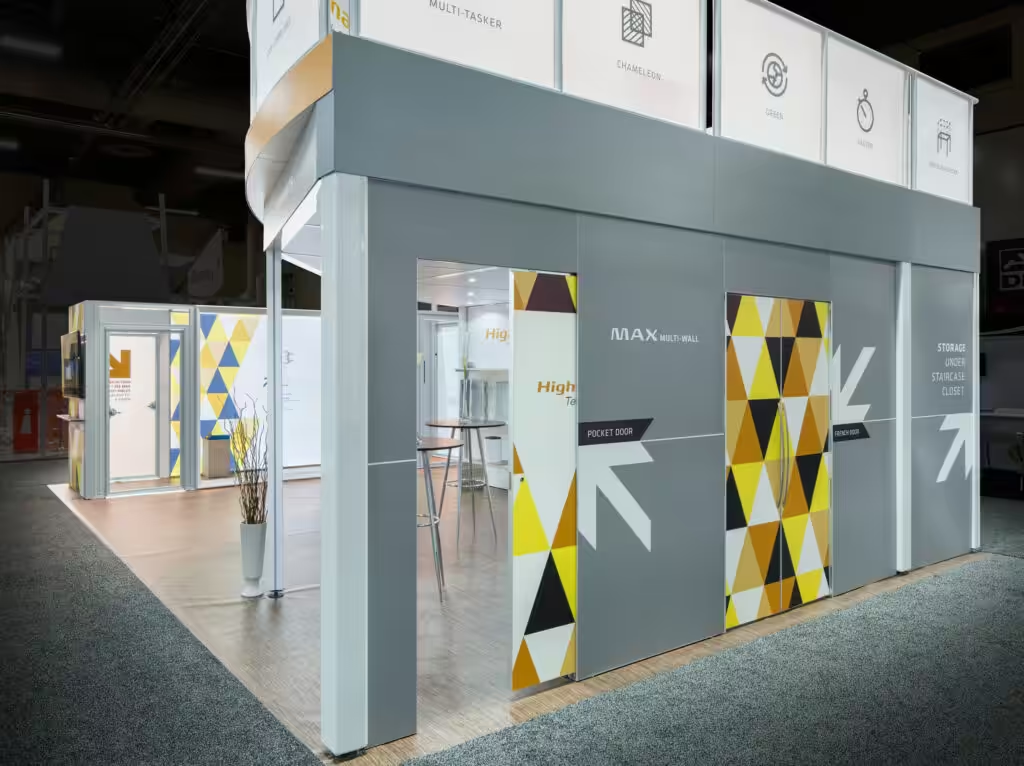
The biggest difference from a traditional built wall is what happens after the show. A custom-built wall is made for one layout and one look, and changing either one usually means building again. A modular wall gets packed up, stored, and rebuilt in whatever shape the next event needs.
Modular Walls vs. Traditional Built Walls
Where Are Modular Walls Used?
Modular walls show up anywhere a space needs to change shape quickly. These are the modular wall applications event teams lean on most.
Trade Show Booths and Backwalls

At trade shows, space is limited, but the need for creative design isn’t. Modular trade show walls let exhibitors make the most of every square foot, whether that’s a clean branded backwall or a full booth broken into zones.
A single booth can become multiple showrooms for different product lines or services, with each area tailored to its own audience while the brand stays consistent across the whole footprint. When the next show has a different booth size, the same walls rearrange to fit.
Modular walls also pair well with bigger builds. Many exhibitors use them on the ground floor of a double deck exhibit or alongside other trade show exhibit structures to create private areas without adding a separate structure.
Meeting Rooms and Private Spaces on the Show Floor
Some of the most valuable conversations at a show happen behind closed doors. Modular walls with doors make it easy to build enclosed meeting rooms, consultation spaces, or storage closets right inside a booth.
MAX Multi-Wall offers standard doors, French doors, and barn doors, so a private room can match the look of the rest of the space instead of feeling like an afterthought.
Brand Activations and Event Spaces
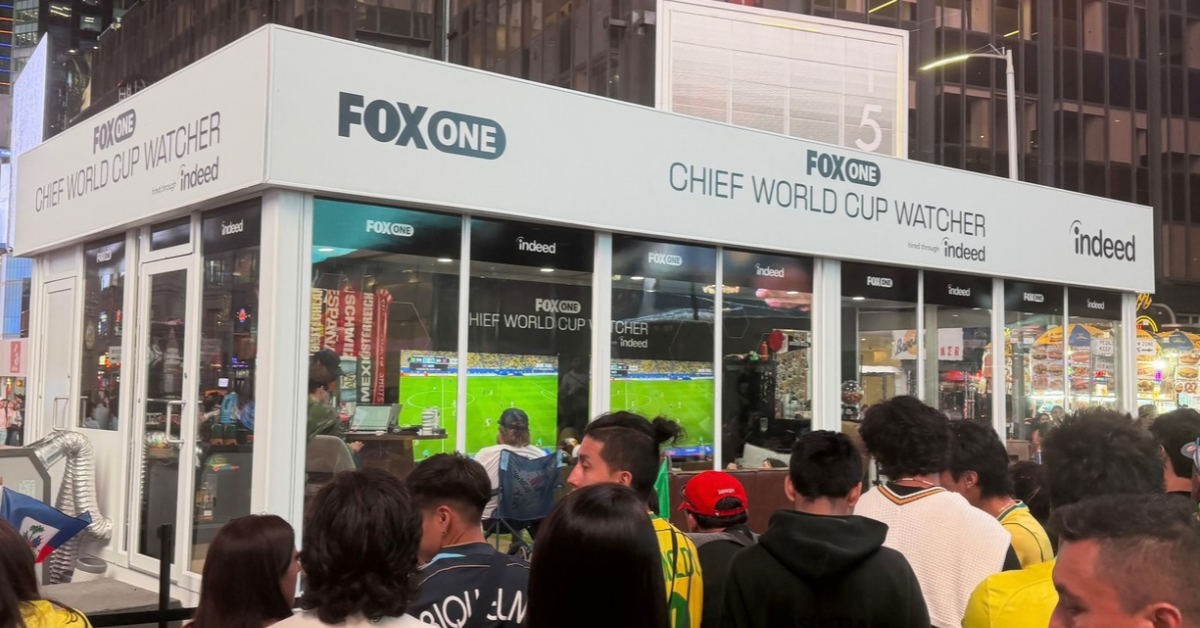
For brand activations and branded event spaces, modular display walls do more than divide a room. They become the canvas for your showcase.
Walls can run straight or curved, change height, and carry fabric graphics, hard-wall panels, or acrylic. Add backlit fabric lightboxes, LED screens, or shelving, and a plain wall turns into an interactive product showcase or a photo moment people stop for.
Temporary Offices and Conference Spaces
Modular walls work in places other than the show floor, too. Venues and conferences use them to build temporary offices, green rooms, and quiet meeting spaces that come down when the event does.
For fully enclosed workspaces, Highmark’s walls pair with YOURspace office pods, and you can explore more modular office spaces for longer-term setups.
Venues That Change Layouts Often
Convention centers, arenas, and multi-use venues rarely have the same setup twice in a row. The same modular walls can carry sponsor branding one week and become wayfinding, registration, or a pop-up retail layout the next.
For venue teams, that means fewer one-off wall builds sitting in storage and faster turnarounds between events. Walls that reconfigure on tight timelines, without losing their finished look, make a big difference when the next event happens so closely to the last.
How Do Modular Wall Units Work?
Modular wall units work like a building kit. Frames connect to each other to form the wall, and finishes slide into or attach to those frames. Here’s how that plays out with MAX Multi-Wall.
The Frames
MAX frames are 100% aluminum with a clear anodized finish, and they can be powder-coated for a custom color. A full-size 47” x 94” frame weighs 29 pounds. Standard rental frames come in 23.5”, 47”, and 94” sizes and are 2.8” deep, while custom frames can go up to 48” wide and 120” tall.
The Connections
The aluminum wall frames link together with a tool-less shared pin connector system, so crews can build and break down walls without drills or fasteners. Frames can be installed vertically or horizontally, and walls can stack up to 20 feet tall when they’re properly supported with return walls.
The Finishes
Each MAX frame has a system channel built into its face. That channel accepts slide-in pieces for different finishes, including:
- Silicone edge graphics (SEG) fabric that can stretch across multiple modular wall panels
- Clear or frosted acrylic in two thicknesses
- A Velcro adapter for hard-wall panels like PVC or laminated boards
- Shelf standards for product displays
- A lightbox option that pairs SEG fabric with LED light bars for a backlit wall
See just how easy it is to configure:
Because nothing needs to be glued, welded, or screwed together, setup and teardown move quickly. See how MAX stacks up in Highmark’s time study on how fast modular walls set up.
What Setup Looks Like on Site
A modular wall system install follows a simple order:
- Plan the layout: Design the space ahead of time using 3D models and drawings of the frames.
- Build the frames: Connect frames into wall sections and set doors where they belong.
- Add the finishes: Slide in fabric graphics or acrylic, or attach hard panels.
- Finish the details: Add shelving, lighting, and screens, then do a final walkthrough.
Teardown runs the same steps, backwards.
When the event ends, MAX packs into a standing wall crate that holds up to 11 full-size frames with the infills still applied, or onto a pallet that holds up to 16 frames with the infills removed. For full specs, 3D models, and design drawings, visit the MAX Multi-Wall resources page.
Why Reusable Modular Walls Beat One-Time Custom Builds
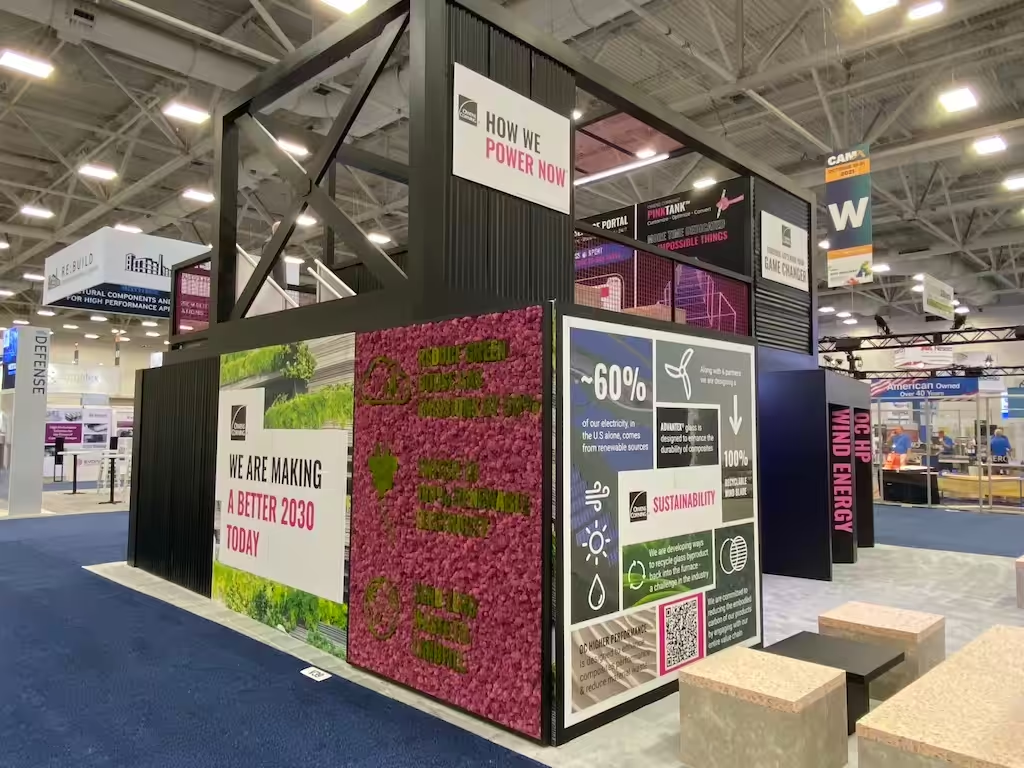
The real value of a reusable modular wall system shows up over time. The same walls can travel from show to show, keeping your brand presence consistent as the layout changes to fit each space.
Want a new look? Swap the graphics and keep the structure. Need a bigger footprint? Add frames. Because MAX is an assembled frame rather than a glued or welded one, the frames themselves can be changed in size, which most wall systems can’t do.
Reusable event walls are also the more sustainable choice. MAX is built with 70% recycled aluminum, and every reuse keeps materials out of the landfill. Learn more about why modular structures are more sustainable and read Highmark’s sustainability statement.
You don’t have to own walls to get those benefits, either. Highmark keeps a deep rental inventory of MAX, so you can rent for a one-off event or buy if you have a full calendar year of shows.
What to Look for in a Modular Wall System
Modular event walls will not all look and function the same way. Before you rent or buy, check these six things:
- Frame material: Aluminum frames stay light enough to ship and handle while staying strong enough to stack.
- Reconfigurability: Look for frames that can change size and orientation, not just layout.
- Finish options: Make sure the system takes the finishes you need: fabric, hard panels, acrylic, and lighting.
- Setup time: Tool-less connections cut labor hours on installs and dismantles.
- Rent or buy: Renting fits one-time events. Owning pays off when you exhibit often.
- Design support: Ask whether 3D models and drawings are available so your team can plan the layout before anything ships.
Learn more about modular wall systems and compare your options.
Why Highmark
Event spaces will keep changing. Booth sizes shift, meeting needs grow, and brands want a fresh look without starting from zero every time. Temporary walls for events give you a way to keep up without rebuilding.
Highmark designs and builds modular wall systems for trade shows, brand activations, and event spaces across the country. MAX Multi-Wall combines aluminum frames, tool-less connections, and a wide range of finish options, and you can rent or buy it.
Explore Highmark’s USA-made modular wall systems or talk with our team to plan your next build.
FAQs
What is a modular wall?
A modular wall is a reusable wall system made of frames that connect together and accept interchangeable panels, fabric graphics, or acrylic. It sets up on site, comes down after the event, and can be rebuilt in a different layout, which makes it a flexible alternative to custom-built walls.
Where are modular walls used?
Modular walls are used in trade show booths and backwalls, enclosed meeting rooms on the show floor, brand activations, and event spaces. Venues and conferences also use them for temporary offices, green rooms, and quiet workspaces that need to come down when the event ends.
How do modular wall units work?
Modular wall units work like a kit. Frames connect to each other to form the wall, and finishes like fabric, hard panels, or acrylic attach to the frames. With MAX Multi-Wall, frames link with tool-less pin connectors and finishes slide into a channel built into each frame.
Are modular walls reusable?
Yes, modular walls are built to be used again and again. The same frames can be rearranged, resized, and rebranded for each event, which lowers long-term costs and reduces waste compared with walls built for a single show.
Can modular walls include doors?
Yes, many modular wall systems support doors, so you can build private meeting rooms or storage areas inside a booth. MAX Multi-Wall offers standard doors, French doors, and barn doors.
Can modular walls be used for temporary event spaces?
Yes, modular walls are a common choice for temporary event spaces because they install quickly and leave no permanent footprint. They can create meeting rooms, lounges, or branded zones for the duration of an event, then pack up for the next.
Related Links
- Modular Wall Systems
- MAX Multi-Wall
- MAX Multi-Wall Systems Resources
- Trade Show Exhibits
- Brand Activations
- Modular Office Spaces
- Time Study: How Fast Do YOUR Walls Set Up?
- How Modular Structures Are Both Eco-Friendly and Sustainable
- Top 5 Trade Show Exhibiting Challenges, Solved
- 3 Secrets to a Successful Trade Show Exhibit
- 2026 Event Structure Trends to Watch
- Highmark Sustainability Statement
- Indoor Products
- Contact Us