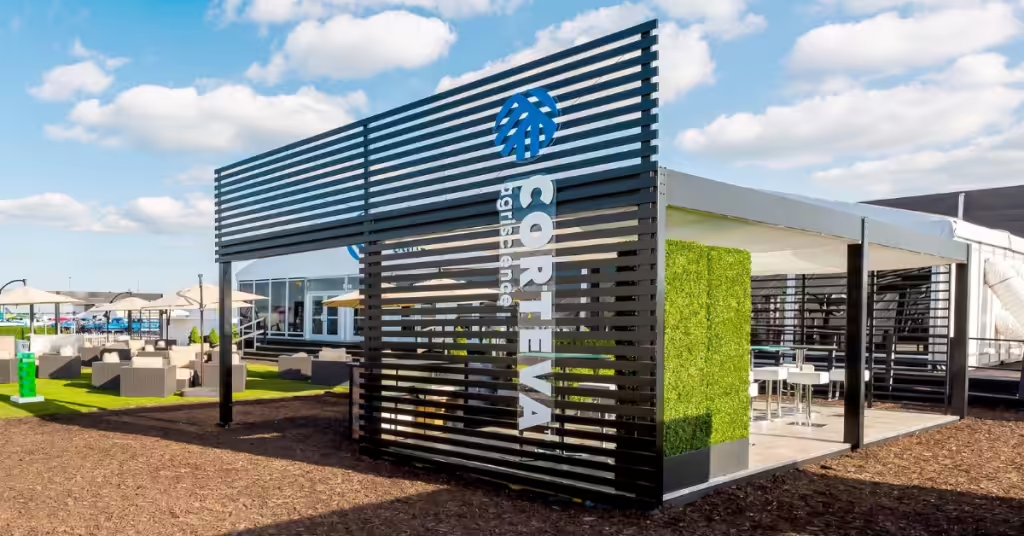
TLDR: An outdoor event structure is an engineered building system, not a tent. Options range from pavilions and semi-permanent structures to two-story event structures and mobile builds, and the right pick depends on how long the structure needs to stand, how much weather it needs to handle, and whether the event calls for a hospitality deck or single-level footprint. Highmark designs and builds all five categories through its EventMAX outdoor line.
At a Glance:
- A temporary outdoor structure and a tent are not the same thing. Tents handle short, fair-weather events; engineered structures handle multi-day exposure, branding, and going vertical.
- Prefabricated pavilions cover the widest range of use cases with the simplest build, including sponsor villages, festival footprints, and brand activations.
- A two-story event structure doubles usable footprint and adds a VIP viewing deck without doubling the site.
- Choosing the right structure comes down to duration, weather exposure, level count, branding needs, budget, and venue permitting.
Every event planner reaches the same fork in the road eventually.
The activation needs to survive more than a single afternoon, the brand needs a real outdoor presence (not just a canopy with a logo on it), and the venue asks a question nobody expects: single level or two? At that point, a tent isn’t going to work.
Outdoor event structures come in more forms than most planners realize, and knowing their category distinctions makes specifying exactly what a project needs much easier.
This guide maps out what actually exists among temporary outdoor structures, so you can walk into a vendor conversation already speaking the right language.
Here’s what to know.
What Counts as an Outdoor Event Structure?
An outdoor event structure is an engineered building system designed to be assembled on site, hold up under mild to inclement weather, and support branding, multi-day use, or multiple levels.
These structures are distinct from basic canopies or pop-up tents, which handle shade and light rain but are not engineered for wind load, extended duration, or a second story.
Inside that category, structures split along a spectrum. Some are fully temporary structures for outdoor events, up and down within days. Others sit closer to permanent, built to stand for weeks or months.
Two industry terms are worth knowing when comparing options. A clearspan structure is a design that uses a frame with no interior support columns, which keeps the interior open for staging, seating, or branding.
A fabric structure (sometimes called a tensioned membrane structure) stretches architectural-grade fabric over that frame instead of using solid walls, which keeps the build lighter and faster to deploy than a permanent building.
The Main Types of Outdoor Event Structures
Five main categories cover almost every outdoor activation, sporting event, or brand build. Each one solves a different combination of duration, scale, and finish level.
Pavilions
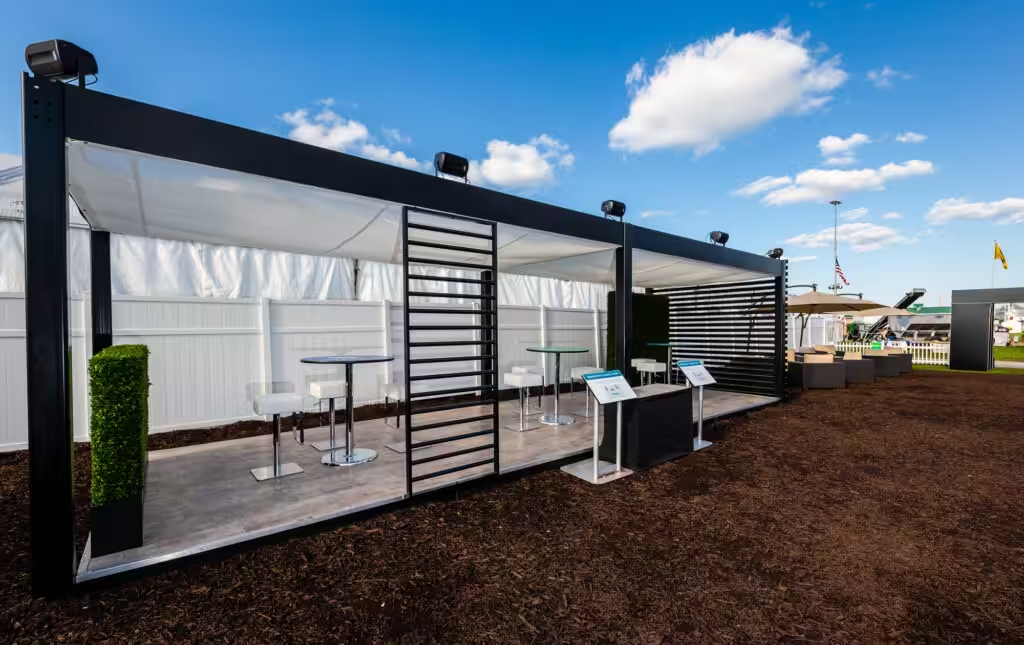
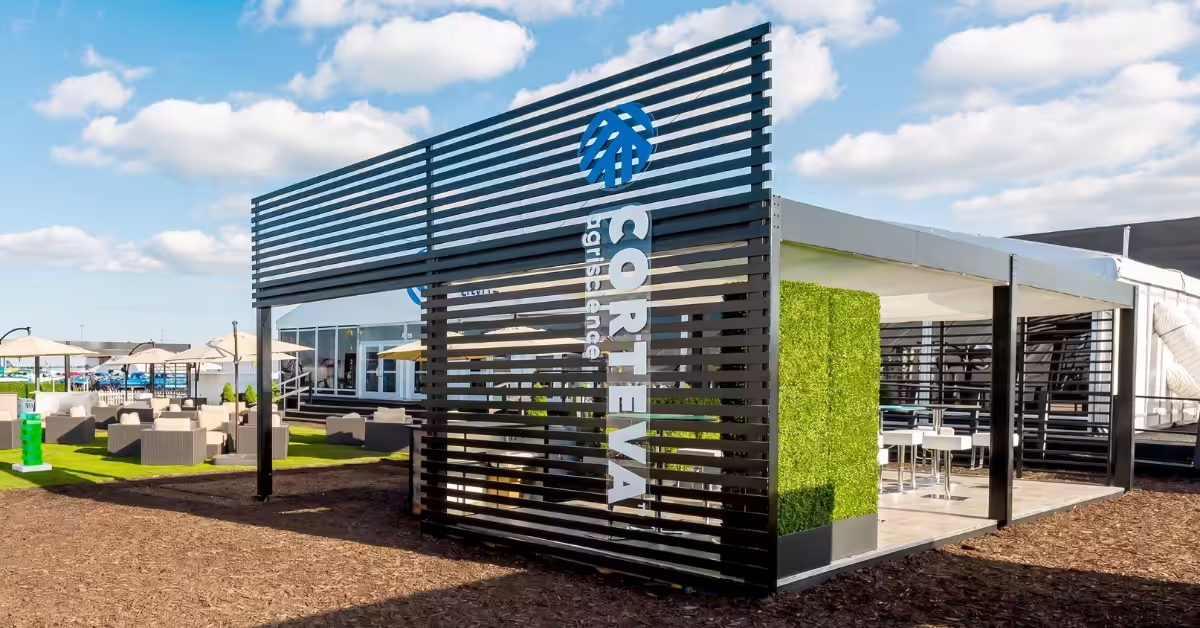
Pavilion structures are the workhorses of outdoor events. They give brands real architectural presence in place of a basic tent, but they’re still built from a short list of parts: support posts, beams, a fabric roof, and cladding options for a more finished look.
That stripped-down build keeps setup quick and keeps pavilions one of the most budget-friendly ways to add genuine structure to an activation. The look stays intentionally understated, so the structure supports the brand experience instead of competing with it.
Prefab outdoor pavilions work especially well for sponsor villages, festival hospitality, and as prefabricated sports pavilions. A modular pavilion system also makes it possible to add width, depth, or a second story in a double decker pavilion configuration for events that need vertical space.
Semi-Permanent Structures and Buildings
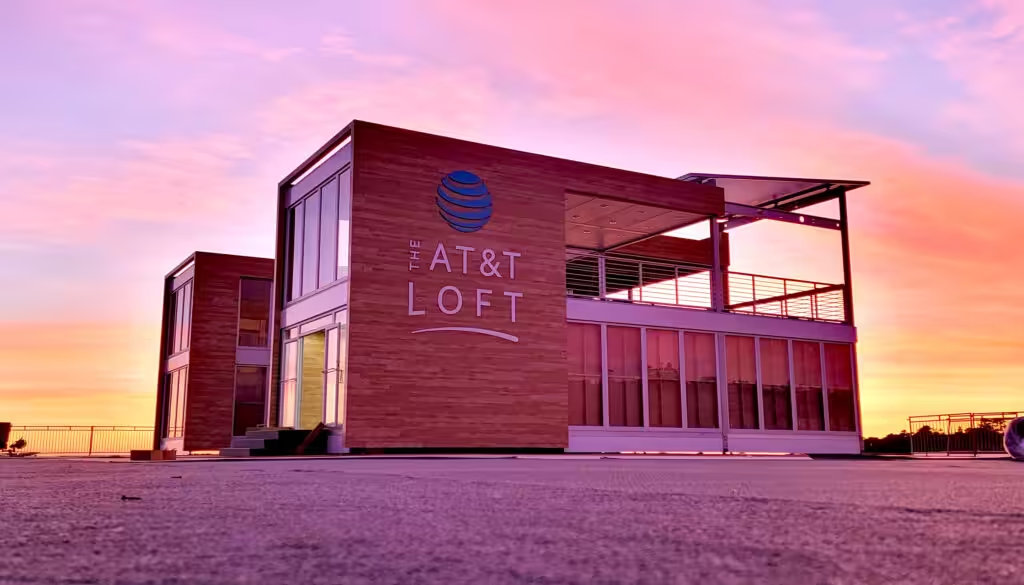
Semi permanent outdoor structures sit between a tent and a construction project. They stay up for weeks or months, making them the right call for a seasonal venue, a multi-week festival, or any activation that outlasts a standard event rental window.
A semi-permanent building carries more durable finishes and infrastructure than a short-term tent while still avoiding the permitting and cost of permanent construction. Learn more about the middle ground of semi-permanent structures.
Two-Story and Hospitality Decks

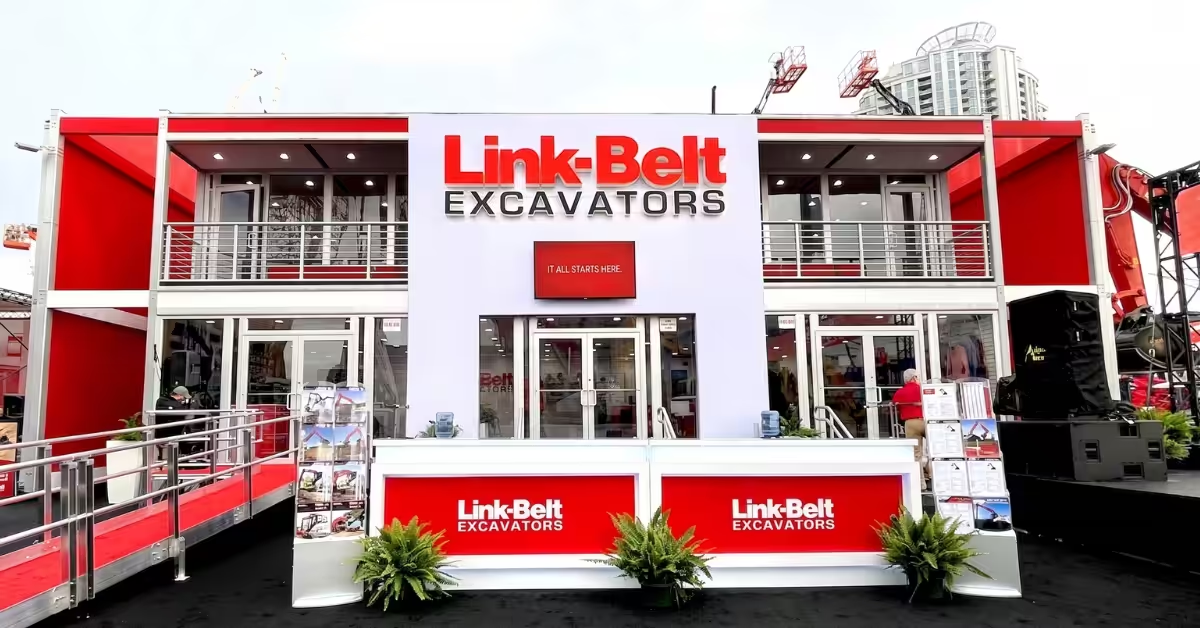
Going vertical solves a problem that a bigger footprint cannot: limited site space. A two-story event structure doubles usable area without doubling the ground footprint, and the upper level can work as a hospitality deck or VIP viewing deck with sightlines a ground-level tent could never offer.
Sports venues and festivals use this format constantly for premium hospitality. Learn more about the process, benefits, and what it takes to go two stories at an outdoor event.
Mobile and Road-Show Structures

A mobile modular event structure trades duration for speed and portability. These sleek builds are more compact but maintain a professional, branded presence.
Mobile structures transport easily and set up fast, which makes them the right fit for tours, road shows, and activations that repeat across multiple cities in a single season.
Tent vs. a Real Outdoor Structure (the Short Version)
A tent works well for a short, low-stakes, fair-weather event. Anything more demanding runs into the same four limits: durability under strong wind and weather, branding options, multi-day survivability, and the ability to go vertical. An engineered structure clears all four.
Learn more about how your tent is hurting your brand, and the solution for each trade off.
Outdoor Structures Comparison At a Glance
How to Choose the Right Outdoor Structure
Six factors decide the right fit for your project:
- Duration: A single-day event and a season-long installation call for two different build types. You need to answer the permanent structure vs temporary structure question.
- Weather and wind exposure: Coastal sites, high-wind regions, and multi-day exposure all raise the bar for engineering.
- Single vs. multi-level: A two-story event structure solves footprint constraints that a single level cannot.
- Branding and finish level: Fully custom branded walls and lighting need a different structure than an open-air, prefabricated pavilion.
- Budget and rent-vs-buy: Ownership makes sense for recurring events; rental makes sense for one-off builds.
- Venue and permitting requirements: Some venues have specific rules around a large tension structure for events rental or semi-permanent installations, so this needs to get confirmed early.
Sporting event-specific buyers can walk through a full checklist of what to look for in a sports venue solution for a deeper breakdown.
Why Highmark
Every outdoor activation eventually comes down to matching the structure to the event: how long it needs to stand, how much weather exposure it needs to handle, and whether it needs a second level.
A tent covers the simplest version of that equation. Everything beyond it calls for an engineered structure built for the job.
Highmark TechSystems builds across that full range through its EventMAX line, covering pavilions, semi-permanent builds, two-story decks, and mobile structures under one roof. That range means you can move from a single-day activation to a season-long installation without switching vendors mid-project.
Learn more about Highmark’s EventMAX lineup or request a quote from the team if you’re ready to work through the options.
FAQs
What is an outdoor event structure?
An outdoor event structure is an engineered building system designed for assembly on site, built to withstand inclement weather and support branding, multi-day use, or multiple levels. It differs from a basic tent or canopy, which lacks the engineering for extended duration or added stories.
What’s the difference between a permanent and a temporary structure?
A permanent structure involves standard construction and stays in place indefinitely, while a temporary structure gets engineered for assembly, use, and removal within a defined window, ranging from a few days to several months depending on the build type.
How long can a temporary or semi-permanent structure stay up?
A temporary event pavilion or structure typically stays up for days to weeks, while a semi-permanent structure can remain in place for weeks or months.
Can you get a two-story outdoor structure?
Yes. While a multi story tent structure is hard to come by, a more durable two-story event structure adds a second level. These are often used as a hospitality deck or VIP viewing area, without expanding the ground footprint.
What’s a clearspan structure?
A clearspan structure uses a frame engineered with no interior support columns, which keeps the interior fully open for staging, seating, or branding elements.
Is a semi-permanent structure better than a tent?
For a multi-week or seasonal need, a semi-permanent structure generally outperforms a tent on durability and finish level. For a short, simple event, a tent remains the more practical choice.
Related Links
- Outdoor Modular Structures
- Pavilion Architecture
- Mobile Event Exhibits
- Single & Multi-Story Architecture
- Outdoor Products Resources
- What It Takes to Go Two Stories at an Outdoor Event
- The Complete Guide to Evaluating Double Deck Exhibit Manufacturers
- Questions About Our Outdoor Event Structures, Answered
- Your Tent Is Hurting Your Brand: Try EventMAX Instead
- Why Choose Highmark For Your Outdoor Event Marketing?
- Contact Us