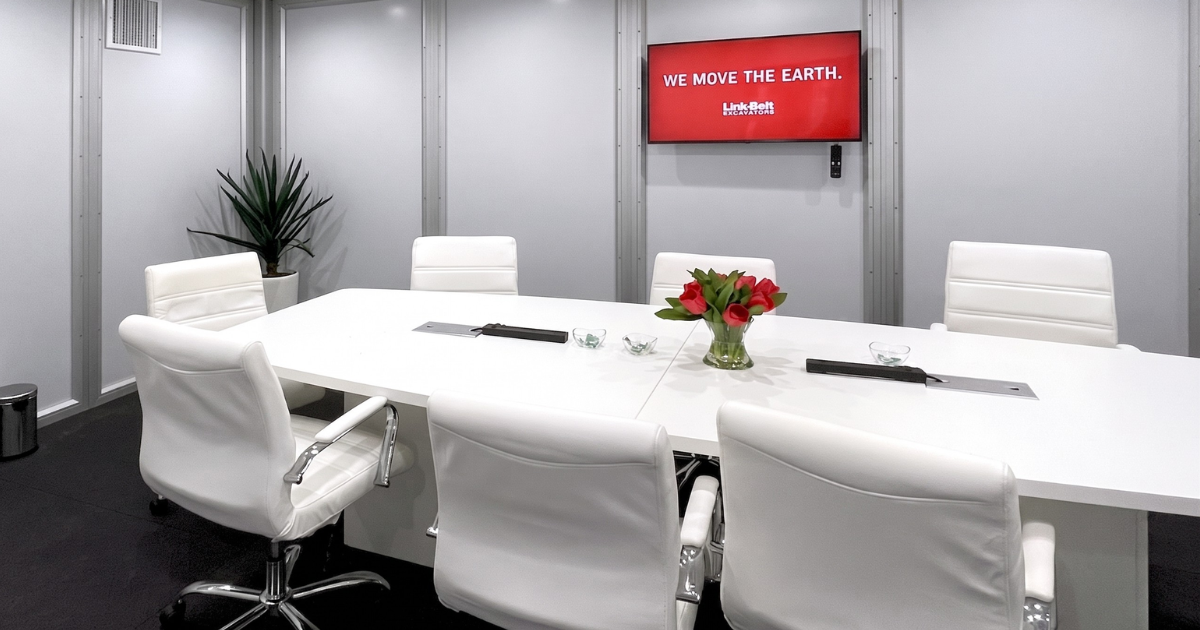

TLDR: Double deck trade show booths create elevated VIP meeting spaces for executive conversations, hospitality, demos, and event activations while maximizing visibility on crowded show floors. With modular systems, engineering expertise, and flexible rental or custom options, Highmark TechSystems helps exhibitors create high-impact environments that feel immersive, functional, and scalable.
At a Glance:
- A double deck exhibit creates valuable private space above the show floor for VIP meetings, hospitality lounges, demos, and executive conversations without increasing your booth footprint.
- The best multi-level booths combine branding, comfort, acoustics, and smart traffic flow to create experiences that feel intentional instead of temporary.
- Engineering, permitting, shipping, installation, and compliance are critical parts of any successful double deck project, which is why experienced exhibit partners matter.
- Highmark TechSystems uses modular ExpoDeck systems to help brands build flexible, reusable, and customizable trade show environments that can evolve across multiple events and activations.
The best meeting you’ll have at a trade show this year probably won’t happen in a conference room down the hall. It’ll happen 12 feet above the show floor, inside a branded private lounge where your team can actually hear the conversation, control the environment, and close deals without interruption.
That’s exactly why more brands are investing in a double deck booth strategy.
Trade show floors keep getting louder, busier, and more competitive. Brands don’t just need visibility anymore. They need space for meaningful conversations, executive meetings, product demos, media interviews, and hospitality experiences that feel intentional…not improvised.
A well-designed upper level solves all of that at once.
At Highmark TechSystems, we help brands create scalable, engineered double deck exhibits and modular environments that combine high-impact design with practical functionality.
Whether you need a fully custom build or a flexible rental solution, the goal is the same: create a space that works better than a standard booth ever could.
Why Multi-Level Trade Show Booths Are Growing
Trade show real estate is expensive. Every square foot matters.
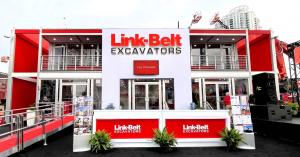
Companies that design multi-level trade show booths give brands the ability to increase usable space without expanding their footprint on the show floor. Instead of competing horizontally, companies build upward.
That added level creates opportunities for:
- Private executive meetings
- Quiet hospitality areas
- VIP networking lounges
- Product demonstrations
- Media interview spaces
- Elevated viewing decks
- Premium client experiences
- Brand activations
For many exhibitors, the upper deck becomes the most valuable part of the booth.
It also changes how attendees perceive your brand. A professionally engineered double decker trade show booth immediately communicates scale, investment, and confidence. People notice it from across the convention hall. More importantly, they remember it.
What a VIP Meeting Space Actually Looks Like
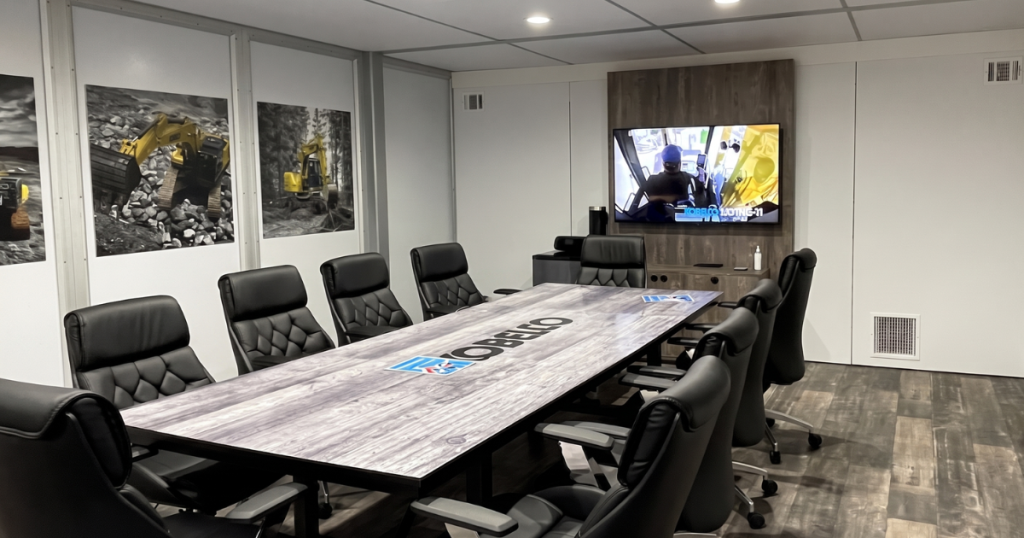
The best upper-level environments feel less like temporary exhibit structures and more like modern executive lounges. Smart layouts prioritize comfort, acoustics, traffic flow, privacy, and branding without making the space feel closed off or disconnected from the energy of the event.
A typical VIP meeting room may include:
- Semi-private or fully enclosed meeting areas
- Lounge seating and hospitality furniture
- Integrated AV systems and presentations screens
- Custom lighting packages
- Lockable storage
- Catering areas or beverage stations
- Acoustic treatments for noise reduction
- Dedicated Wi-Fi and charging stations
- Branded walls, flooring, and finishes
Some brands transform the upper level into a quiet executive retreat for client meetings and presentations. Others design hospitality-driven lounges where attendees can recharge, network, or spend more intentional time with the brand.
At EMS 2025, Highmark created exactly that kind of elevated experience inside our own double deck structure. The upper deck became a true VIP hospitality space.

Attendees could step away from the noise of the exhibit hall, grab a signature cocktail, enjoy hospitality experiences like manicures, and have real conversations in a space intentionally designed for comfort and connection.
At the same time, the layout still kept guests connected to the action below. Theater-style seating on the upper level overlooked the main presentation area, giving attendees premium sightlines into the programming happening downstairs.
That flexibility is one reason that companies that build multi-level trade show booths with VIP meeting space focus heavily on modular systems and adaptable layouts.
At Highmark, many of these environments are powered by ExpoDeck, our indoor engineered modular decking system.
In 2024 alone, more than 42,000 square feet of ExpoDeck systems were rented or sold across deployments averaging roughly 500 square feet each. Because the system uses standardized modular components, brands gain virtually infinite configuration possibilities without starting from scratch every time.
That flexibility is especially valuable for exhibitors attending multiple shows throughout the year.
The Biggest Use Cases for Double Deck Exhibits
The most successful double deck exhibit designs solve a specific business problem, not just a design challenge.
Here’s where multi-level structures consistently deliver value.
Executive & Client Meetings
Trade show floors rarely support productive conversations. Noise, foot traffic, and constant interruptions make it difficult to focus.
An elevated VIP meeting room creates separation without removing your team from the event itself. Executives can host buyers, distributors, investors, or strategic partners in a controlled environment while staying directly connected to booth activity below.
Product Demonstrations
Complex products require time and attention. An upper-level demo space allows brands to walk prospects through technology, presentations, or hands-on experiences without distractions from neighboring booths.
This approach works particularly well in industries like technology, manufacturing, automotive, healthcare, and consumer electronics.
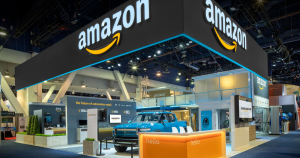
A strong CES double-deck booth design, for example, may include both high-traffic experiential zones downstairs and appointment-based demos upstairs.
Media Rooms & Press Briefings
Trade shows generate enormous media activity, but finding a quiet place for interviews can become a logistical nightmare.
Upper-level media rooms give brands a dedicated environment for interviews, livestreams, podcasts, photography, and product launches without leaving the booth footprint.
Hospitality & Brand Activations
Sometimes the goal is simply to create a memorable experience.
A multi-deck event structure can support cocktail receptions, networking events, influencer activations, hospitality lounges, or exclusive client gatherings. Elevated spaces naturally feel more premium, which helps brands create stronger emotional connections with attendees.
The Engineering Behind a Double Deck Trade Show Booth

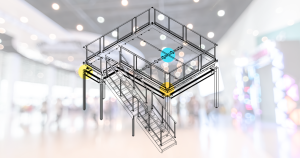
A multi-level exhibit is not just a larger booth. It’s a fully engineered temporary structure.
The best exhibit designers understand that successful execution depends as much on engineering and compliance as it does on creative design.
Every venue has its own rules regarding:
- Structural calculations
- Load requirements
- Fire safety
- Egress and stair design
- ADA considerations
- Ceiling height restrictions
- Rigging limitations
- Electrical approvals
- Material certifications
This approval process can feel overwhelming for exhibitors attempting to coordinate multiple vendors independently.
An experienced exhibit partner manages those details early in the process.
At Highmark, our systems are designed to streamline approvals while maintaining architectural flexibility. Engineered double deck supports and modular components help reduce uncertainty during permitting and installation while still allowing for customized layouts and branding.
That preparation becomes critical at large U.S. trade shows where deadlines are strict and approval timelines move quickly.
Learn more about our process.
Rental vs. Custom Double Deck Booths
One of the biggest misconceptions in the industry is that every multi-level structure must be fully custom.
In reality, many brands benefit more from a hybrid or rental approach.
When a Rental Makes Sense
A double deck rental exhibition booth or works well for companies that:
- Attend only a few major events annually
- Need faster timelines
- Want lower upfront investment
- Require flexibility between shows
- Test larger exhibit strategies before committing long-term
Rental systems also reduce storage and maintenance concerns between events.
A double deck rental exhibition stand can still feel highly customized through branding, graphics, lighting, finishes, furniture, and integrated experiences.
When Custom Is the Better Fit
Fully custom double-deck trade show booths for U.S. shows make sense when brands need:
- Highly specialized layouts
- Unique architectural forms
- Proprietary experiences
- Permanent touring programs
- Long-term cost efficiencies across many events
Many exhibitors ultimately land somewhere in the middle: leveraging modular engineered systems while customizing the visual experience around them.
Sustainability Is Becoming a Bigger Priority
Trade shows generate an enormous amount of waste. More brands need exhibit solutions that balance sustainability, design quality, and evolving compliance requirements.
That shift is driving demand for sustainable modular systems and eco-friendly structures.
Reusable modular systems significantly reduce material waste compared to one-off custom builds that get discarded after limited use. Highmark’s modular systems are designed for repeat deployment, reconfiguration, and long-term reuse across multiple events.
In fact:
- 100% of materials are reusable or recyclable
- Modular systems can achieve up to 80% cost savings versus permanent construction
- Configurations can evolve over time instead of being rebuilt from scratch
What to Expect From Your Exhibit Partner
The best exhibit partners do far more than fabricate structures. They manage the details behind the scenes so exhibitors can focus on the event itself instead of juggling vendors, approvals, shipping schedules, and install crews.
A strong partner should guide your project from the first brainstorming session all the way through dismantle and future deployments.
A typical Highmark process includes:
Creative Consultation & Strategy
Early conversations should focus on your goals, audience, traffic flow, meeting needs, and overall brand experience.
Highmark helps shape how attendees move through the space, where engagement happens, and how your booth supports both visibility and business conversations.
Sometimes that means rethinking a standard booth layout entirely in favor of a more impactful double deck trade show booth with private meeting areas or hospitality space.
Design Development & 3D Visualization
Once the strategy is defined, design teams develop layouts, renderings, branding concepts, and experiential elements that bring the space to life.
3D modeling and CAD renderings allow stakeholders to preview the structure before fabrication begins. This stage helps refine details early, uncover potential challenges, and ensure the final exhibit matches the original vision.
Engineering, Permitting & Certification
This is where experience matters most.
Multi-level exhibits require detailed structural engineering, venue approvals, load calculations, safety reviews, and compliance documentation. Experienced Highmark teams coordinate stamped drawings, certifications, and permitting requirements so exhibitors don’t get stuck navigating approvals on their own.
Graphics, Fabrication & Pre-Build
Great event activations should feel cohesive from every angle. That means graphics, finishes, materials, and structural components all need to work together seamlessly.
Before shipping, systems are fabricated, tested, staged, and prepared for installation. Modular systems offer added flexibility here because components can be reconfigured across multiple events while still supporting highly customized branding experiences.
Shipping, Installation & On-Site Support
Highmark coordinates freight, manages shipping schedules, oversees installation crews, and handles on-site adjustments as needed.
Dismantle, Storage & Future Events
After the event, exhibits may be dismantled, stored, refreshed, or reconfigured for future deployments. A modular approach makes it easier to adapt structures over time instead of rebuilding from scratch for every event.
Build a VIP Experience That Actually Delivers ROI
A successful trade show booth should do more than attract traffic. It should create better conversations, stronger relationships, and measurable business opportunities.
That’s why upper-level VIP environments continue to gain momentum across industries.
The right double deck trade show booth gives your team privacy without isolation, visibility without clutter, and flexibility without compromise. More importantly, it creates the kind of experience attendees remember long after the show ends.
At Highmark TechSystems, we design and engineer modular exhibit environments built for real-world performance, scalability, and impact. Whether you need a custom build, a rental solution, or guidance navigating approvals and logistics, our team can help you create a smarter multi-level exhibit strategy.
Ready to explore your options? Request a consultation and start planning a VIP trade show experience.
FAQs
What is a double deck trade show booth?
A double deck trade show booth is a multi-level exhibit structure that adds a second floor above the main exhibit space. The upper level often includes VIP meeting rooms, hospitality lounges, demo areas, or private networking spaces.
How long does it take to design and build a multi-level exhibit?
Timelines vary based on complexity, customization, and show requirements. Rental systems can often move faster, while fully custom builds may require several months for design, engineering, approvals, and fabrication.
What industries use multi-deck event structures most often?
Technology, automotive, healthcare, manufacturing, consumer electronics, sports, and enterprise brands commonly use multi-level structures because they benefit from private meetings, product demos, and hospitality environments.
Can a double deck booth be rented instead of purchased?
Yes. Many exhibitors choose a double deck rental to reduce upfront costs and gain flexibility between events. Rental systems can still include custom branding, furniture, AV integration, and VIP meeting spaces.
Are modular double deck exhibits sustainable?
Yes. Reusable modular systems reduce waste significantly compared to single-use custom builds. Many modern systems use reusable aluminum components and recyclable materials to support sustainability goals.
How large can a VIP meeting room be inside a double deck exhibit?
The size depends on the booth footprint, venue regulations, and structural design. Some upper decks feature a single large lounge, while others include multiple enclosed meeting rooms, hospitality spaces, and demo areas.
Related Links
- Rental vs. Custom Double Deck Structures: What’s Best for Your Event Schedule?
- Double Deck Structure
- How to Take Your Trade Show to the Next Level, Literally
- Top 3 Advantages to Double Deck Exhibits
- How Modular Structures are Eco-Friendly and Sustainable
- 2026 Event Structure Trends to Watch
- Products
- Modular Structure Rentals
- Resources
- Gallery
- Contact Us